“Could Better Transportation Change Lives? The Hidden Barriers Facing Seniors and Individuals with Disabilities”


Understanding the Challenges
For many seniors and individuals with disabilities, transportation is more than just a matter of convenience, it's a lifeline. Accessible transportation provides the means to attend medical appointments, engage in social activities, and maintain independence. However, significant barriers still exist, making daily travel a daunting task for many.
The challenges faced by these groups include inadequate infrastructure, limited service availability, and a lack of accessibility features in public transport. These obstacles can lead to isolation and decreased quality of life.
The Benefits of Accessible Transportation
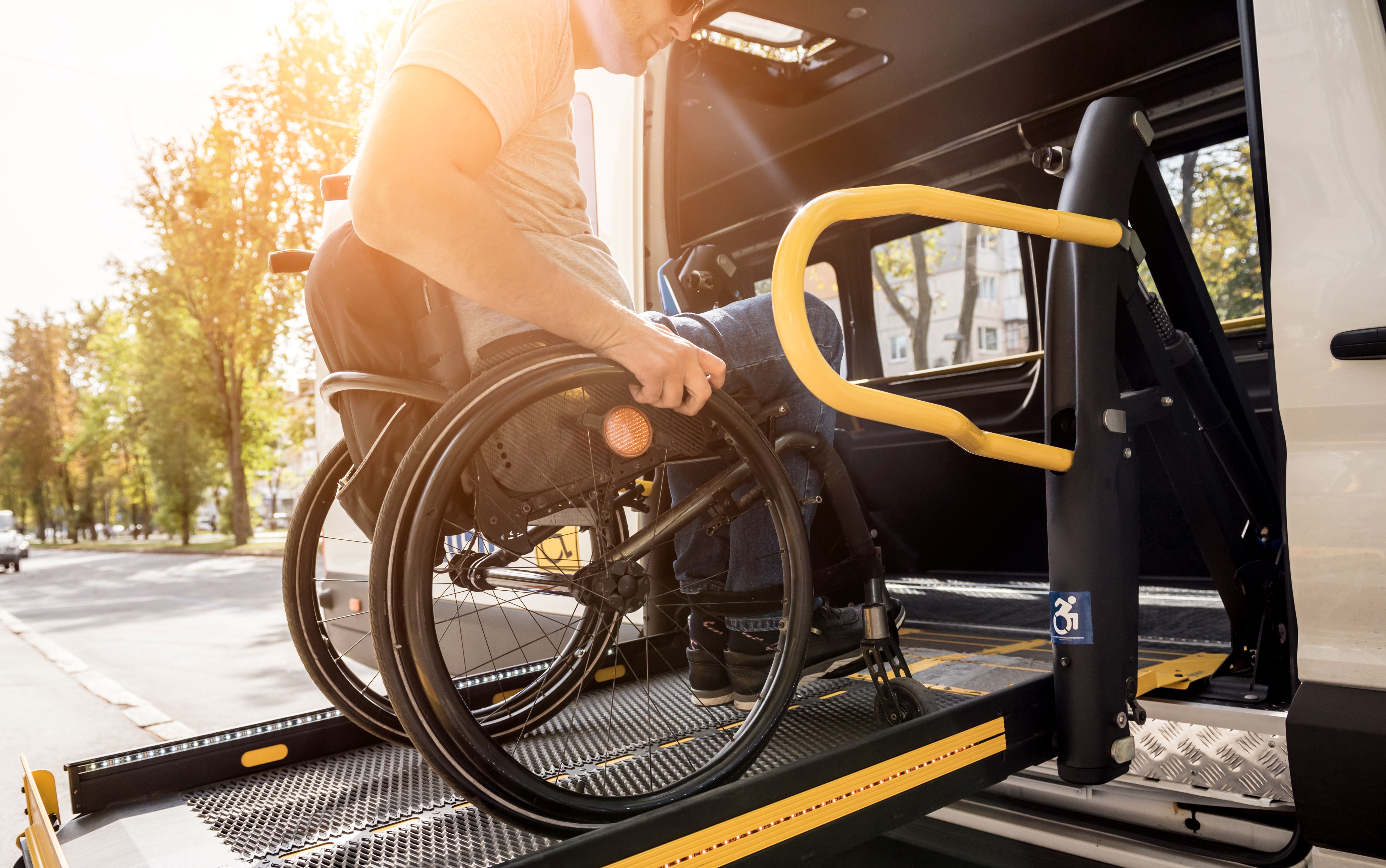
Ensuring accessible transportation for everyone has far-reaching benefits. Not only does it enhance independence, but it also facilitates social inclusion and economic participation.
When transportation systems are designed with accessibility in mind, seniors and individuals with disabilities or people who just need transportation, can enjoy the same freedoms and opportunities as everyone else. This inclusivity fosters a more equitable society where everyone can contribute their talents and skills.
Economic Impact
Accessible transportation also has a positive impact on the economy. By providing mobility to a broader segment of the population, there is an increase in consumer spending and a boost in local businesses. Additionally, it opens up employment opportunities for individuals who might otherwise be unable to work due to transportation challenges.
Designing Inclusive Systems
Creating transportation systems that cater to all requires thoughtful planning and investment. Key elements include:
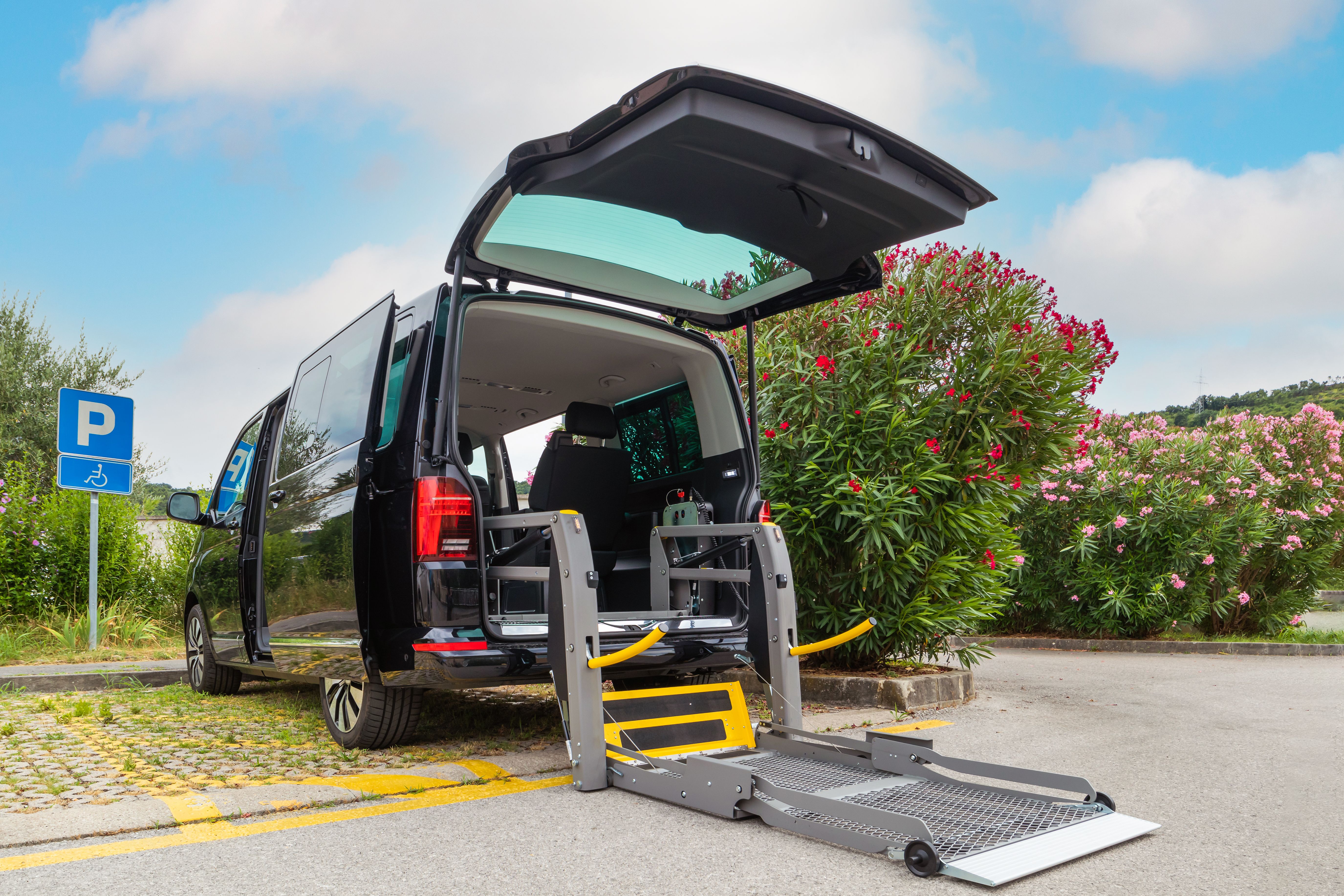
- Wheelchair-accessible vehicles
- Audio-visual aids for the hearing and visually impaired
- Trained staff to assist passengers
- Well-maintained infrastructure with ramps and elevators
Community and Policy Initiatives
Collaboration between government bodies, community organizations, and private companies is crucial in developing and implementing effective solutions. Policies that mandate accessibility standards and provide funding for necessary adaptations are essential.
Community-driven initiatives can also play a significant role. Local groups can advocate for better services and work with transportation providers to address specific needs.
A Call to Action
As we move towards a more inclusive future, it's imperative to prioritize accessible transportation. By breaking down existing barriers, we can build a society that values and supports all its members.
Investing in accessible transportation is not just a legal or moral obligation, it's a pathway to a more connected and thriving community. Together, we can ensure that everyone has the opportunity to live a full and independent life.